Where not to walk in New York City?
Where not to walk in New York City is a vital question for every visitor, balancing safety concerns with the desire to explore one of the world’s most walkable metropolises. New York is overwhelmingly a safe city for pedestrians, but like any major urban center, it has areas that are best avoided, especially after dark or when traveling alone. This comprehensive guide provides a clear, nuanced, and up-to-date answer to where not to walk in New York City, moving beyond fear-mongering to offer practical, street-smart advice. We’ll map out neighborhoods with specific pockets to be cautious of, explain the types of areas that pose logistical challenges for walkers, and provide essential strategies for safe and confident navigation. Your goal isn’t to be afraid, but to be informed—transforming the question of where not to walk in New York City from a worry into a part of your savvy travel plan.
Understanding where not to walk in New York City requires context. Crime in NYC is highly concentrated and rarely random. Violent crime against tourists is exceptionally low, but property crime (like phone snatching) and nuisances can occur in areas with less “eyes on the street.” This guide focuses on neighborhoods where the urban landscape—like sprawling public housing complexes, desolate industrial zones, or confusing highway-adjacent streets—creates an environment that is either statistically riskier or simply unpleasant and disorienting for a visitor. We’ll also cover “tourist traps” in a different sense: places that are physically demanding or frustrating to walk, like certain parts of Times Square. Deciding where not to walk in New York Cityis as much about enjoying your visit as it is about safety.
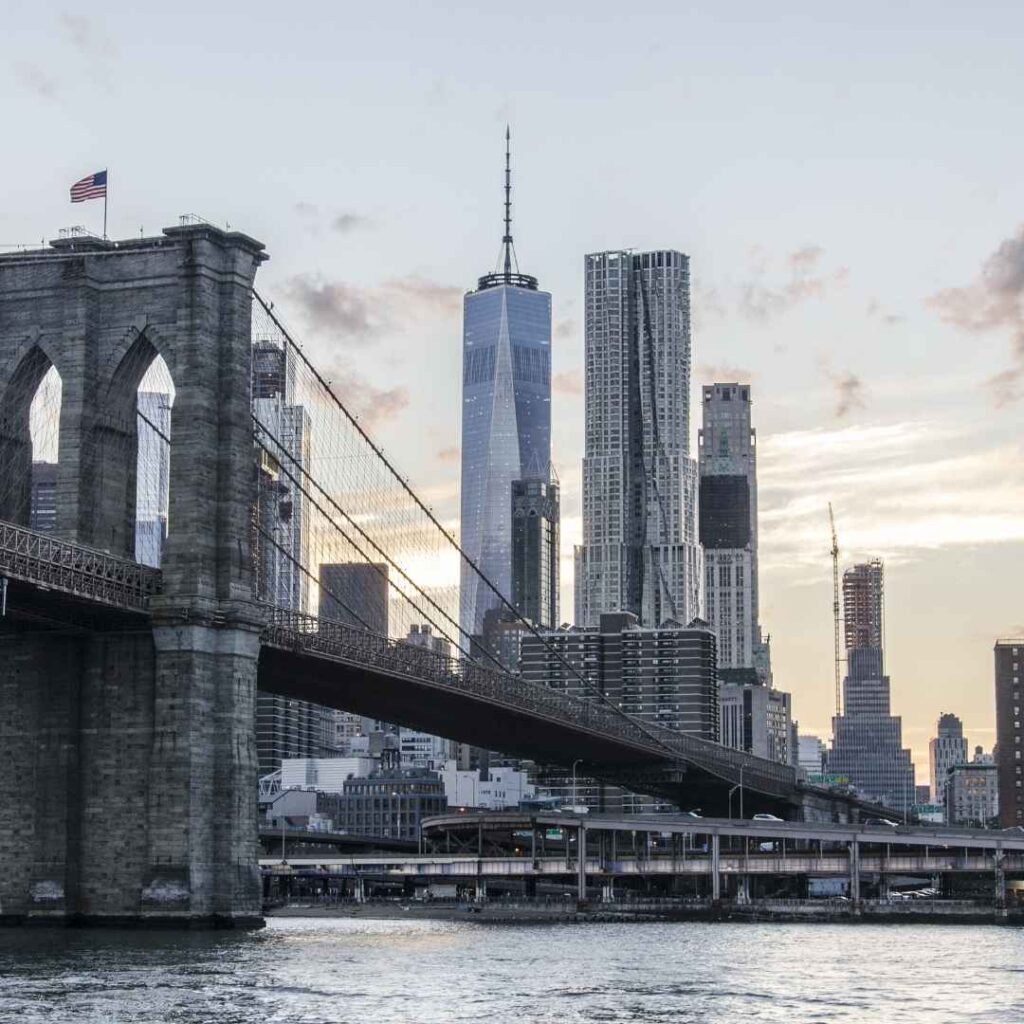
The Philosophy of Safe Walking in NYC: Awareness Over Fear
Before listing specific areas, internalize these universal principles. They are your first line of defense and answer the broader spirit of where not to walk in New York City.
1. The Power of “Eyes on the Street”: This urban planning concept, coined by Jane Jacobs, is your best safety tool. Busy streets with active storefronts, cafes, and steady foot traffic are almost always safe. Problems arise in areas that are deserted, poorly lit, or lack a “village” feel. Your mantra should be: “If there are people around living their lives, I’m likely fine.”
2. Your Most Vulnerable Possession is Your Phone: The most common crime against tourists is smartphone theft, often by someone on a bike or scooter snatching it from your hand. Be especially vigilant with your phone at subway exits, in crowded tourist zones, and when using it on empty streets.
3. There is a Difference Between “Avoid” and “Do Not Visit”: Some neighborhoods listed have fantastic cultural attractions or restaurants. The guidance on where not to walk in New York Cityoften means: take a train or rideshare directly to your destination, enjoy it, and then take transit out. Don’t wander the surrounding side streets aimlessly after dark.
4. Trust Your Instincts: If a street feels wrong, it is wrong for you. Turn around, walk into a store, or head toward a busier avenue. Your intuition is a powerful guide.
With this mindset, let’s explore the specific geographic answers to where not to walk in New York City.
Manhattan: Navigating the Iconic Borough
Most tourist areas in Manhattan are extremely safe but incredibly crowded. The answers here focus on pockets where the environment becomes challenging.
Times Square: Where Not to Walk for Sanity (Not Safety)
- The Issue: The core question of where not to walk in New York City here is about congestion and hassle. The sidewalks of Times Square (Broadway & 7th Ave between 42nd & 47th St) are a slow-moving river of people. It’s not dangerous, but it’s a navigational nightmare.
- Smart Strategy: See it, take your photos, then get out. To move north or south, walk one block east (on 6th Ave) or west (on 8th Ave) for clear sidewalks. Don’t try to “walk through” Times Square to get somewhere; walk around it.
East Harlem (North of 96th St, East of 3rd Ave) – After Dark
- The Issue: While rapidly gentrifying, certain blocks, particularly those directly adjacent to large, aging public housing projects (like the Wagner, Johnson, and Carver Houses), can feel tense and deserted at night. The lack of street-level retail creates pockets without “eyes on the street.”
- Smart Strategy: The major attractions (Museum of the City of New York, El Museo del Barrio) are on Museum Mile (5th Ave) and are fine. Avoid wandering east into the residential blocks after sunset. Use transit or a rideshare if traveling through at night.
The Penn Station / Port Authority Immediate Vicinity – Late at Night
- The Issue: This is a major transit hub with a high concentration of homeless shelters and social service agencies in the surrounding blocks (especially west of 8th Ave). The area can attract challenging behavior, and the crowds are transient, not communal. It answers where not to walk in New York City for comfortable, late-night strolls.
- Smart Strategy: Arrive and depart via subway. If you’re walking to/from your hotel late, stick to 6th or 7th Avenues. Avoid 8th and 9th Avenues between 34th and 42nd Streets if you’re alone late at night.
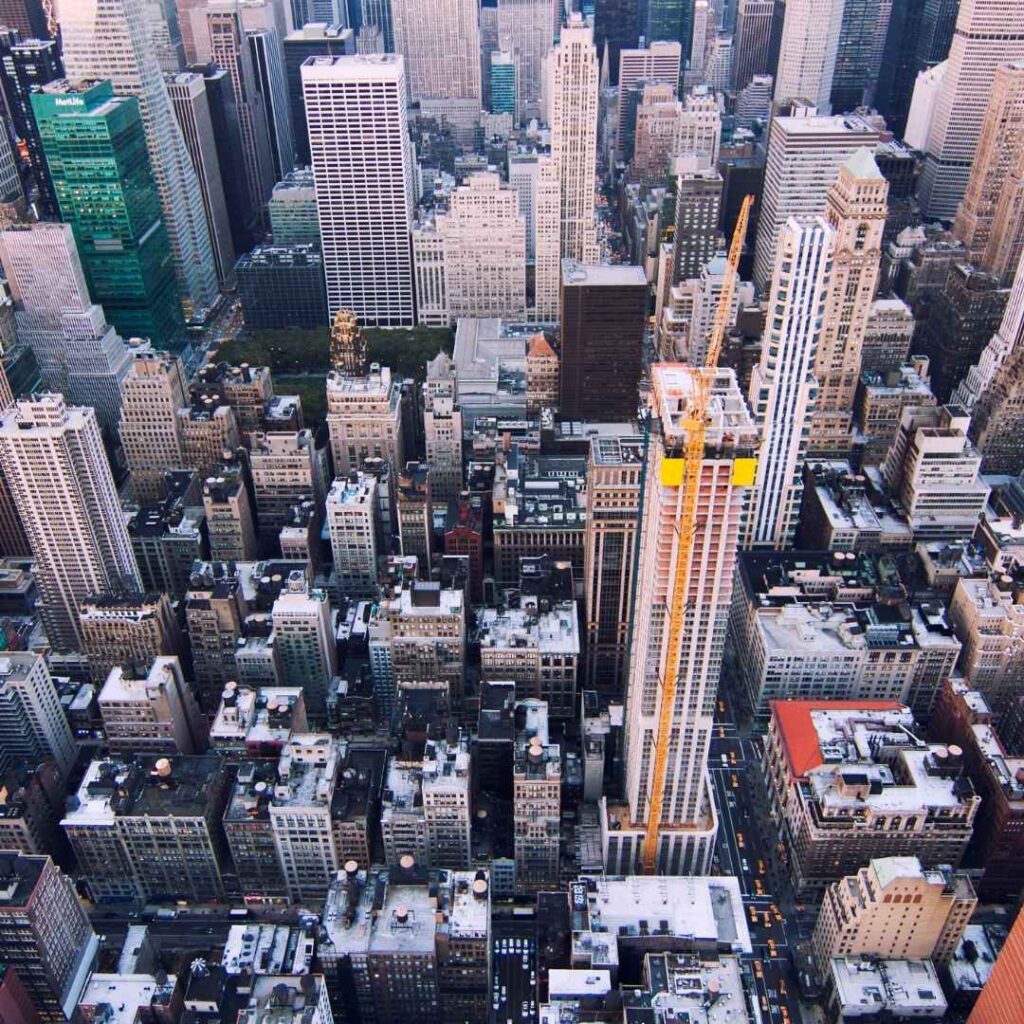
Lower East Side (South of Delancey, Near the Williamsburg Bridge) – Specific Blocks
- The Issue: The trendy LES has a sharp contrast. The bustling streets around Orchard Street are full of life. However, the area directly under and around the approaches to the Williamsburg Bridge (near Rutgers Houses) can be desolate and host homeless encampments.
- Smart Strategy: Enjoy the vibrant heart of the LES. If walking to the bridge, stay on Delancey Street until you reach the dedicated pedestrian path.
Brooklyn: Beyond the Postcard Views
Brooklyn is vast. While Williamsburg, DUMBO, and Park Slope are hugely popular, other areas require a more cautious approach when considering where not to walk in New York City.
Brownsville & East New York
- The Issue: These neighborhoods consistently have some of the highest violent crime rates in the city. They are residential, far from tourist trails, and offer no visitor attractions. There is zero reason for a tourist to end up here.
- Smart Strategy: This is the clearest answer to where not to walk in New York City. Simply do not go. Your subway line will not accidentally take you there.
Certain Parts of Downtown Brooklyn Near Public Housing
- The Issue: Downtown Brooklyn is a booming commercial district. However, its edges blend into large public housing complexes like the Ingersoll and Whitman Houses. The streets directly surrounding these complexes, especially at night, can feel isolated and see higher crime.
- Smart Strategy: Stick to the well-lit, busy corridors of Fulton Mall, Flatbush Avenue, and near the Barclays Center. If your hotel is here, research the specific block using Google Street View.
Industrial Sections of Bushwick & East Williamsburg (After Hours)
- The Issue: These areas are hubs for nightlife in warehouses and lofts. The problem is the walk from the subway (Jefferson St, Morgan Ave L train stops) to the venue. The streets are industrial, poorly lit, and empty outside of event times.
- Smart Strategy: Go with a group. Take a rideshare directly to the venue’s door, especially when leaving late at night. Don’t wander the side streets.

The Bronx & Queens: Specific Guidance
The South Bronx – For Unfamiliar Visitors
- The Issue: Like Brownsville, parts of the South Bronx (Mott Haven, Hunts Point) have high poverty and crime rates. While there is incredible culture and history here (the birthplace of hip-hop), it’s not an area for casual, unguided exploration by a first-time visitor.
- Smart Strategy: Visit the incredible Bronx Zoo or New York Botanical Garden (both in safer, park-like settings). For the authentic Bronx Italian experience, take the subway directly to the Arthur Avenue retail district, which is a defined, safe, and welcoming strip.
Industrial Queens (Long Island City West, Willets Point)
- The Issue: These are not residential neighborhoods; they are zones of auto body shops, warehouses, and industrial yards. They lack sidewalks, pedestrian traffic, and are designed for trucks, not people. They are a practical answer to where not to walk in New York City due to infrastructure, not crime.
- Smart Strategy: If you’re in LIC for the museums or hotels, stay in the developed waterfront area. Don’t cut through industrial backstreets to try to reach something.
The “Logistical No-Walk Zones”: Highways & Massive Infrastructure
Often, the answer to where not to walk in New York City is about impossible or miserable pedestrian experiences.
1. Crossing Major Bridges via the Roadway: Never walk on the vehicle roadway of any bridge. Always use the dedicated, separated pedestrian walkways (found on the Brooklyn, Manhattan, Williamsburg, and Queensboro Bridges).
2. The Hugh L. Carey (Brooklyn-Battery) Tunnel Walkway: Just don’t. It’s long, loud, fumes-filled, and terrifying. It is not for tourists.
3. FDR Drive or West Side Highway On-Ramps: These are high-speed limited-access highways. Do not attempt to walk along them or cross them except at designated, signaled crosswalks far from the on-ramp merges.
4. Navigating Penn Station or Grand Central Like a Street: These are mazes underground. Use signage and ask MTA staff for help. Don’t assume you can walk from one side to the other easily.

Proactive Safety & Navigation Strategies
Instead of just knowing where not to walk in New York City, equip yourself with these positive actions.
- Use Technology Wisely: Apps like Google Maps have a “Walking” direction feature. Preview your route. If it tries to send you down a deserted street, look for an alternate route along a major avenue.
- Understand the NYPD’s Resources: The NYPD posts crime statistics maps by precinct. While granular, they show you where reported crimes are concentrated.
- Walk with Purpose: Even if you’re lost, walk confidently. Step into a coffee shop or bodega to check your map, rather than standing still on the sidewalk looking at your phone.
- The Subway is Your Friend at Night: A $2.90 subway ride is safer than a 25-minute walk through a sketchy area. Use it to bypass challenging zones.
- Stick to Major Avenues After Dark: In residential areas, avenues (numbered or named like Columbus, Amsterdam) are busier, better lit, and have more commerce than side streets.
What to Do If You Feel Unsafe
Despite planning where not to walk in New York City, you might find yourself uncomfortable.
- Cross the Street or Change Direction. This is the simplest move.
- Walk into a “Third Place.” A coffee shop, a 24-hour diner, a hotel lobby, or a busy chain pharmacy (CVS, Duane Reade). Stay until you feel comfortable or can call a rideshare.
- Use Your Voice. Don’t be afraid to say loudly, “Leave me alone,” if someone is harassing you. Draw attention.
- Call 911 in a True Emergency. The NYPD responds very quickly.
The Positive Flip Side: Where You Should Walk Freely
New York is a walker’s paradise. To counterbalance where not to walk in New York City, here are walks you must take:
- The Brooklyn Bridge: From Manhattan to Brooklyn for the iconic view.
- The High Line: An elevated park from Chelsea to Hudson Yards.
- Central Park: From Bethesda Terrace to Strawberry Fields.
- The West Village: Meander the cobblestone streets.
- Fifth Avenue along Central Park: For iconic museum views.
Conclusion: Walking Smart in the Greatest City on Earth
So, where not to walk in New York City? The answer is: largely deserted industrial zones, certain isolated blocks adjacent to public housing late at night, and areas where you are a logistical obstacle to traffic. It is not a long list of no-go neighborhoods, but a guide to situational awareness.
The overwhelming majority of New York City—including all major tourist destinations—is vibrant, crowded, and safe for walking at all hours. By combining this knowledge of where not to walk in New York City with general street smarts (protecting your phone, walking with purpose), you empower yourself to explore with boundless confidence.
Let your curiosity lead you. Use this guide not as a set of fences, but as a map that highlights the most rewarding paths and the occasional dead end. New York’s greatest discoveries happen on foot. Now, tie your walking shoes tight, look both ways, and step out into the exhilarating rhythm of the city.