
How not to dress like a tourist in NYC?

How not to dress like a tourist in NYC is a question that goes beyond fashion—it’s a strategic tool for navigating the city with greater ease, confidence, and respect. Dressing like a local isn’t about spending a fortune on designer labels; it’s about understanding and adopting the city’s functional, minimalist, and purposeful uniform. This comprehensive guide will answer every aspect of how not to dress like a tourist in NYC, providing you with a clear blueprint of what to wear (and what to avoid) to move through the five boroughs looking like you belong. We’ll decode the subtle style rules, identify the most common tourist giveaways, and build a versatile travel wardrobe that will keep you comfortable walking ten miles a day while allowing you to seamlessly transition from a museum visit to a downtown cocktail bar.
The quest to learn how not to dress like a tourist in NYC is not about erasing your personal style. It is about adapting to the environment. When you dress like someone who knows the rhythm of the city, you avoid standing out as a target for petty scams, you’ll likely receive better service, and you’ll navigate crowded sidewalks and subways with less friction. The iconic New York look is built on a foundation of “quiet luxury” and practicality—high-quality basics in a neutral palette, excellent footwear, and layered pieces ready for unpredictable weather. This guide will transform that aesthetic from an observation into an actionable packing list, ensuring you solve the puzzle of how not to dress like a tourist in NYC before you even pack your bag.
Why It Matters: The Real Benefits of Blending In
Understanding how not to dress like a tourist in NYC has tangible advantages that improve your trip.
First, it enhances your personal security. Pickpockets and scam artists often target visitors who appear disoriented and vulnerable, which is frequently telegraphed by clothing. By dressing with local cues, you make yourself a less obvious target.
Second, it improves your cultural experience. You’ll feel more confident and less self-conscious when you’re not worried about sticking out. This allows you to immerse yourself fully in the energy of a neighborhood cafe or a downtown gallery.
Finally, it’s about practical comfort. The NYC uniform has evolved for a reason: it works for a fast-paced lifestyle involving lots of walking, shifting temperatures from subway platforms to street level, and unpredictable rain showers. Dressing like a local means dressing for the city’s physical demands.
Mastering how not to dress like a tourist in NYC is, therefore, a key part of travel preparedness.
The Foundational NYC Uniform: Deconstructing the Local Look
To effectively learn how not to dress like a tourist in NYC, you must first understand the core components of the local uniform. It is defined by three key principles: a Neutral Color Palette, Purposeful Fit, and Functional Fabrics.
The Neutral Color Palette: Black, Navy, Gray, White, Beige
The stereotype of New Yorkers wearing all black is rooted in truth. A monochromatic or tonal outfit is the ultimate cheat code for looking polished with minimal effort. It’s versatile, slimming, and doesn’t show city grime. When building your travel wardrobe, choose core pieces in these colors. A bright, all-over logo, neon windbreaker, or tropical print immediately broadcasts “tourist.” Your first lesson in how not to dress like a tourist in NYC is to embrace the dark side.
Purposeful Fit: Tailored, Not Baggy
The silhouette is clean and intentional. Think straight-leg or slim-fit pants, blazers that actually fit at the shoulder, and coats that skim the body. The goal is to avoid looking sloppy or swallowed by your clothes. This doesn’t mean skin-tight; it means chosen with care. Baggy cargo shorts, oversized graphic tees, and billowy, mismatched resort wear are classic tourist flags.
Functional Fabrics: Quality Over Novelty
You’ll see a prevalence of natural, durable fabrics: good denim, thick cotton, wool, leather, and technical performance fabrics from brands like lululemon or Vuori designed for comfort. Avoid overly synthetic materials that rustle, shine cheaply, or look overly delicate for urban exploration. Investing in one great merino wool sweater from a site like Everlane is wiser than packing three flimsy, trendy tops.

The Tourist Hall of Shame: What Never to Wear in New York
Let’s be unequivocally clear. If your goal is how not to dress like a tourist in NYC, banish these items from your suitcase.
1. The “I ♥ NY” T-Shirt (Or Any Branded Souvenir Wear)
This is the cardinal sin. Wearing merchandise that literally advertises your visitor status is the fastest way to mark yourself. It’s the equivalent of holding a sign that says “I’m unfamiliar with my surroundings.” Save it for sleeping or the gym back home.
2. Pristine, Bulky White Athletic Sneakers
Sneakers are essential, but the type matters. Stark white, brand-new, chunky athletic shoes designed for the gym (think certain Nike Air Max styles) are a massive giveaway. They scream, “I bought these specifically for vacation walking.” Locals wear sneakers that are clean but lived-in—think classic styles in black, gray, or off-white.
3. Massive Backpacks Worn on the Front
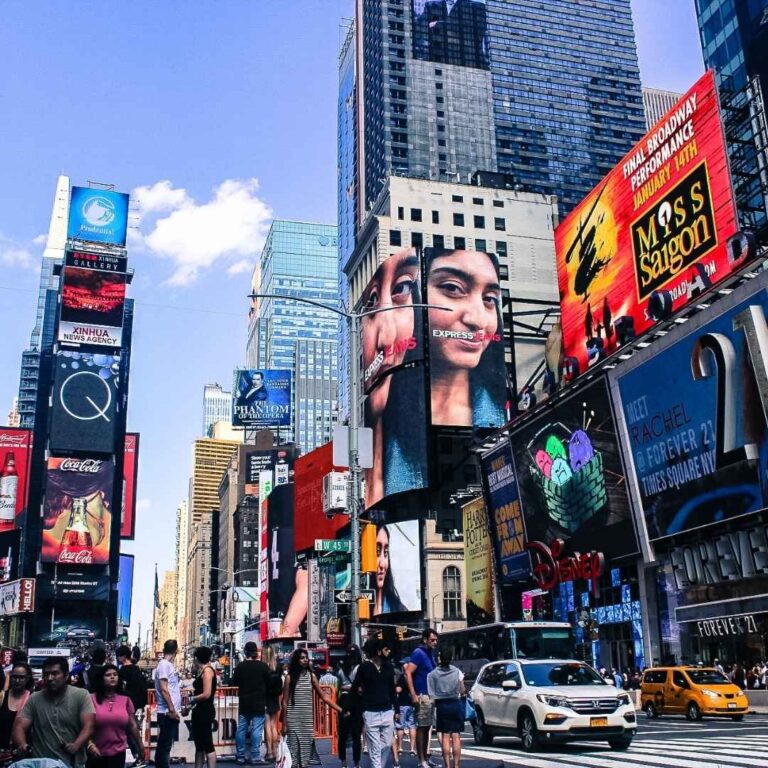
A practical backpack is fine. Wearing it on your chest in the middle of Times Square or on a crowded subway is a neon sign of tourist anxiety. It signals a fear of pickpockets and a lack of comfort in crowds. Wear it on your back, and in a packed subway car, simply swing it around to hold in front of your legs.
4. Fanny Packs (The Wrong Way)
The belt bag has been reclaimed by fashion. The difference is in the styling. The tourist wears it clipped around their waist over their coat or jacket. The local wears it crossbody, slung across the chest, or around the waist but under an unzipped layer. It should be an accessory, not a security blanket on display.
5. Head-to-Toe Athletic Wear (When Not Exercising)
Full lululemon or Adidas tracksuits are for the gym, a run in the park, or a coffee run in your own neighborhood. Wearing them for a day of sightseeing at the Metropolitan Museum of Art or a Broadway show is a definitive tourist move. New Yorkers separate activewear from daywear.
6. Impractical, Uncomfortable Footwear
This includes sky-high stilettos for a day of walking (save them for a dinner with a car service), brand-new leather boots guaranteed to blister, or flimsy sandals that offer no support or protection from dirty, uneven streets. Footwear is your most critical decision in the mission of how not to dress like a tourist in NYC.
Building Your NYC Capsule Wardrobe: The Local-Approved Pieces
Now, let’s construct the alternative. Here is your item-by-item guide on how not to dress like a tourist in NYC.
Footwear: The Non-Negotiable Foundation
You will walk more than you think. Comfort is paramount.
- The Approved Sneaker: Opt for classic, low-profile styles in darker or neutral tones. Examples include Adidas Stan Smiths in green or black, Veja Campos, Common Projects, or all-black leather Nike Killshots. They should be broken in.
- Ankle Boots: A sleek, waterproof leather or suede Chelsea boot (like Blundstone) or a clean combat boot is perfect for fall, winter, and spring. They are tough, comfortable, and go with everything.
- Comfortable Loafers or Oxfords: For a smarter look that can still handle miles. Look for styles with cushioned soles.
The Outer Layer: Your Weather Armor
Your coat or jacket is your most visible garment for much of the year.
- The Classic Trench Coat: Perfect for spring and fall. Stick to beige, black, or navy.
- The Wool or Wool-Blend Coat: A knee-length coat in black, camel, or charcoal gray is the winter uniform. Look for a tailored fit from brands like J.Crew or & Other Stories.
- The Leather (or Faux Leather) Moto Jacket: Instantly adds edge and works for cool nights year-round.
- The Sleek Puffer: In winter, a long, slender, black puffer coat (like Uniqlo’s Ultra Light Down) is ubiquitous, warm, and acceptable. Avoid short, brightly colored ski-style puffers.
Core Clothing: Simple, Versatile Layers
- Denim: One great pair of dark wash, well-fitting jeans. Avoid excessive whiskering, fading, or holes. A straight or slim leg is most versatile.
- Trousers: Black tailored trousers, wide-leg wool pants, or chinos in olive or navy.
- Tops: High-quality, solid-color t-shirts (crew neck) in black, white, and gray. A few fine-gauge merino wool or cashmere sweaters. A classic white or blue button-down shirt.
- Dresses/Skirts: If you wear them, opt for simple shapes in solid colors or subtle prints—a black wrap dress, a midi slip skirt, a sweater dress.
Accessories: Functional Polish
- Bag: A medium-sized crossbody bag with a secure zip closure is ideal for safety and ease. A structured tote (like the Longchamp Le Pliage or a leather tote) is also extremely common. Avoid tiny, impractical purses or huge hiking backpacks as your main bag.
- Scarf: A large, neutral-colored wool or cashmere scarf (black, gray, camel, plaid) is essential for warmth and style in cooler months.
- Hat: A simple black beanie in winter, a classic, fitted baseball cap (not flat-brimmed), or a wool fedora.
The Seasonal Strategy: Dressing for NYC’s Climate
A major part of knowing how not to dress like a tourist in NYC is dressing correctly for the weather, which can be extreme and changeable.
Summer (Hot & Humid):
- Do: Lightweight linen, cotton, and breathable fabrics. Midi or knee-length dresses, loose trousers, short-sleeve button-ups. Maintain a muted color palette.
- Don’t: Head-to-toe bright resort wear (floppy sun hats, sarongs, Hawaiian shirts). You’re in downtown Manhattan, not a Caribbean beach.
Fall & Spring (Unpredictable):
- Do: Master layering. A tee, a sweater, and a jacket you can add or remove is key. Always carry a compact umbrella or a packable rain jacket.
- Don’t: Be caught in a sudden downpour wearing only a light hoodie and sneakers with no socks.
Winter (Bitterly Cold, Windy, and Wet):
- Do: Invest in a serious coat, waterproof boots with grip, thermal layers (like Uniqlo Heattech), wool socks, leather gloves, a warm hat, and a substantial scarf.
- Don’t: Let vanity prevent warmth. New Yorkers are not afraid to bundle up; they just do it in a monochromatic, sleek way.
Situational Dressing: From the Subway to a Speakeasy
Your mastery of how not to dress like a tourist in NYC will be tested in different scenarios. Here’s how to adapt.
- A Long Day of Sightseeing/Walking: Your best broken-in sneakers, dark jeans or trousers, a comfortable tee, a sweater, and a crossbody bag. Have a jacket tied around your waist or in your bag.
- Visiting Museums & Galleries: The same formula, but you can “elevate” one piece—swap jeans for tailored trousers or a minimalist dress. The goal is “smart casual.”
- A Nice Dinner or Broadway Show: This is where you dress up. Dark jeans can work if paired with a blazer, elegant boots, and a silk top. A simple black dress is always perfect. For very upscale dining, check the dress code, but “elegant casual” is usually the rule.
- Riding the Subway: Wear your backpack on your back. Keep your crossbody bag in front of you in a crowd. Have your MetroCard or phone ready before you reach the turnstile to avoid the “subway fumble.”
The Local Mindset: Confidence is Your Best Accessory
Ultimately, how not to dress like a tourist in NYC is fused with how you carry yourself.
- Walk with Purpose: Know your direction (or glance at your phone discreetly to the side). Do not stop abruptly in the middle of the sidewalk to gawk or consult a large paper map. Step to the side near a building.
- Embrace the Uniform: There is freedom in not standing out. Adopting the local uniform allows you to observe the city without being the subject of observation.
- Prioritize Comfort & Function: If you are physically uncomfortable—freezing, soaked, or blistered—you will look and feel like a tourist. In NYC, function is the foundation of style.
By internalizing these principles, you will have definitively solved the challenge of how not to dress like a tourist in NYC. You’ll pack a smarter suitcase, move through the city with greater confidence, and experience New York not as a spectacle you watch, but as a rhythm you join. The city rewards those who make the effort to understand its code. Now that you know it, you’re ready to walk its streets not as a visitor, but as someone who belongs, even if just for a little while.