
Is New York expensive to eat out?
The Ultimate Guide to New York City Dining: Unpacking the Real Costs for Every Visitor
New York expensive to eat out? This question sits at the forefront of every traveler’s mind when planning a trip to the Big Apple. The legendary tales of hundred-dollar steaks and twenty-dollar cocktails create an intimidating aura around the city’s culinary landscape. While the reputation for high costs is undeniably grounded in reality, it presents only a partial snapshot. The complete truth reveals a city of staggering culinary duality: a global capital of extravagant fine dining coexisting with the world’s most democratic and diverse array of affordable eats. To ask “is New York expensive to eat out?” is to begin a deeper exploration of urban economics, cultural geography, and strategic travel planning. This comprehensive guide will not only answer that question with precision but will also equip you with the knowledge, strategies, and neighborhood intelligence to craft your own personalized, unforgettable, and financially sustainable New York food adventure. We will dissect the cost drivers, map the price tiers across the five boroughs, and provide a tactical playbook that transforms dining from a budget-busting anxiety into one of the most rewarding parts of your journey.
The Concrete Culinary Jungle: Understanding Why New York Is Expensive to Eat Out
To navigate the New York food scene effectively, one must first understand the powerful, interlocking economic engines that shape its pricing. The perception that New York is expensive to eat out is not a myth; it is a direct, logical outcome of the city’s unique pressures and privileges. These factors create a high baseline cost, but they also fuel the intense competition and innovation that give rise to incredible value.
The paramount factor is real estate. Restaurant rents in prime Manhattan corridors—think SoHo, the West Village, or near major tourist hubs—are among the highest on the planet, often exceeding $300 per square foot annually. This staggering overhead is a non-negotiable cost baked into the price of every dish, from a simple side of fries to a dry-aged porterhouse. A restaurant must generate immense revenue from a limited number of seats just to pay the landlord. This pressure directly influences not just pricing but also operational decisions, pushing many chefs toward smaller, more intimate spaces or encouraging faster table turnover.
Closely following is the cost of labor. New York City has some of the most robust labor laws in the United States, including a high tipped minimum wage that continues to rise. The movement for equitable pay has rightly extended to back-of-house staff, increasing overall payroll. In a service-intensive industry, this commitment to fair wages is a significant and necessary line item. Furthermore, attracting and retaining top talent—from visionary chefs to knowledgeable sommeliers—commands a premium in this competitive market.
The third pillar is ingredient sourcing and quality. New York’s status as a global logistics hub and its discerning customer base demand the best. Restaurants pride themselves on daily seafood deliveries from the Fulton Fish Market, prime cuts from specialty butchers, and produce from local farmers’ markets or elite distributors. This access to pristine, often sustainable or artisanal ingredients comes at a cost, which is reflected on the menu. A burger made with grass-fed, dry-aged beef from a nearby farm inherently costs more than one made with commodity meat.
Finally, there is the sheer weight of demand. With over 60 million tourists annually and a local population of 8.5 million highly opinionated food lovers, top-tier establishments operate in a seller’s market. The ability to book reservations months in advance or maintain lengthy waitlists provides little incentive to lower prices. This dynamic creates a halo effect, allowing even mid-tier spots in desirable neighborhoods to command higher prices.
Yet, crucially, this high-stakes environment is precisely what fosters New York’s legendary culinary diversity and its hidden value. The intense competition forces innovation. Chefs create brilliant concepts in tiny, rent-efficient spaces. Immigrant communities establish vibrant enclaves where authentic cuisine thrives at accessible prices, largely insulated from Manhattan’s rent frenzy. The constant churn of trends means yesterday’s expensive innovation often becomes today’s affordable staple. Therefore, while the question “is New York expensive to eat out” can be answered affirmatively at a macro level, the micro-level reality—the one you can control—is a vast and thrilling landscape of choice.
The Price Spectrum Decoded: From Street Food to Starry Skies
Let’s translate these economic forces into tangible menu prices. What does “New York expensive to eat out” actually mean for your wallet at different levels of dining? Here is a detailed, tiered analysis to set realistic expectations.

Tier 1: The Budget Navigator ($5 – $20 per person)
This tier is the lifeblood of New York, proving that you can eat magnificently without ever affirming that New York is expensive to eat out. It requires a shift from traditional sit-down service to a more adventurous, mobile approach.
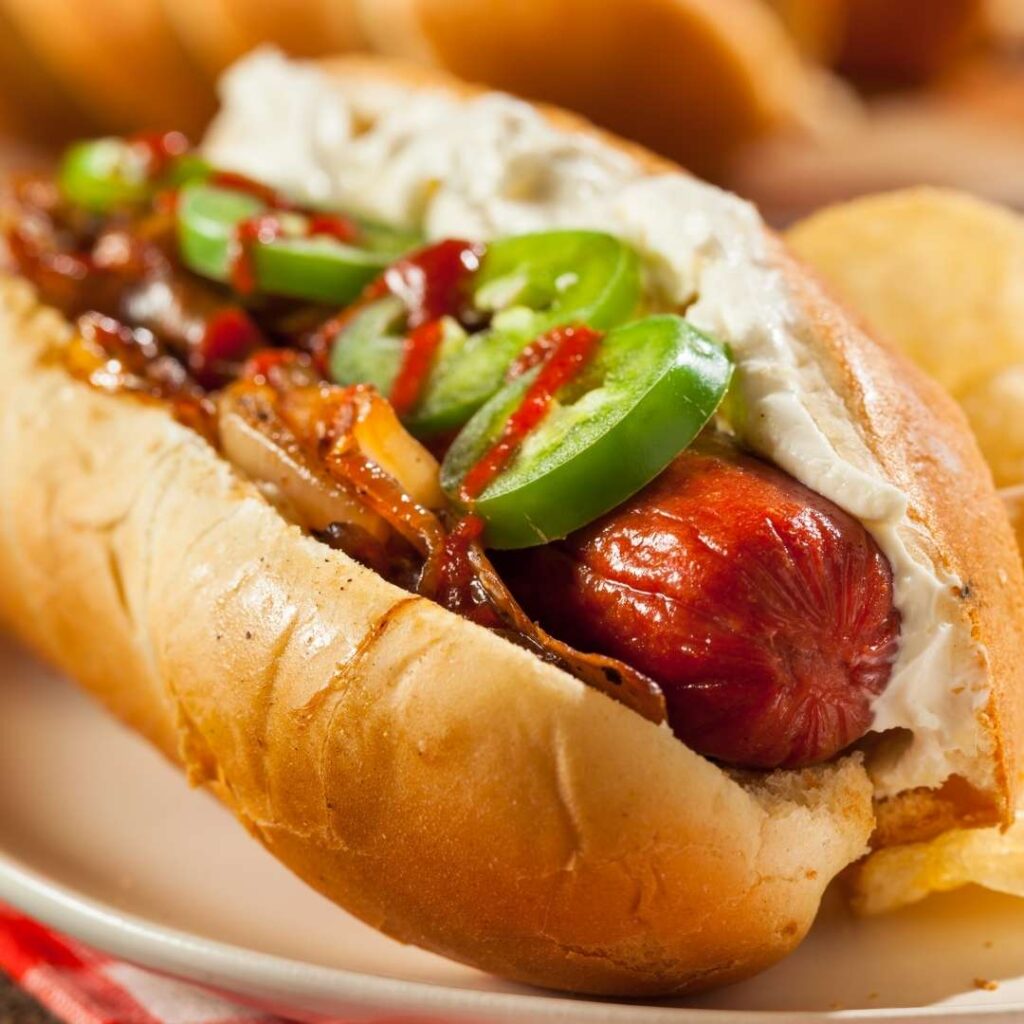
- The Iconic Street Eats: The New York City hot dog ($3-$4) and the classic cheese pizza slice ($3.50-$5) are more than food; they are cultural tokens. They represent a steadfast promise of affordability. The city’s halal carts, serving iconic chicken-and-rice platters with that mysterious white and red sauce, deliver a monumentally satisfying meal for $10-$13. For a legendary example, seekers often queue at the carts of The Halal Guys, whose origins as a cart spawned a global phenomenon.
- The Quick-Service Institution: New York runs on bagels and coffee. A top-tier bagel with cream cheese from institutions like Ess-a-Bagel or Russ & Daughters Cafe will cost $6-$9—a small price for a perfect, chewy, transformative breakfast. Similarly, a hearty breakfast sandwich on a roll from a bodega remains a beloved and affordable staple.
- The Ethnic Enclave Treasure Hunt: This is where the budget explorer finds true glory. In Flushing, Queens, a steaming basket of soup dumplings (Xiao Long Bao) costs under $10. In Jackson Heights, a flavorful, multi-component Indian thali platter runs $12-$16. In Sunset Park, Brooklyn, you can feast on authentic tacos for $3-$4 each. These are not “cheap” compromises; they are authentically priced, world-class dishes served in communities where high Manhattan rents are not a factor.
- The Food Hall & Market Stall: Modern food halls like Chelsea Market, Urbanspace Vanderbilt, or the DeKalb Market Hall in Brooklyn offer a “choose-your-own-adventure” model. You can sample a $6 oyster, a $14 ramen, and a $4 doughnut from different artisans all under one roof, controlling your total spend while experiencing diverse culinary talent.
Tier 2: The Casual Dining Mainstay ($25 – $75 per person)
This is the broad and varied realm of full-service, sit-down restaurants. Here, the question “is New York expensive to eat out” becomes personal and situational. You are paying for service, ambiance, and more complex kitchen execution.
- The Neighborhood Bistro: Your classic American, Italian, or “New American” spot. Expect main courses (burgers, pastas, roasted chicken, salads) in the $22-$32 range. Add a non-alcoholic drink ($4-$6), tax (8.875%), and a 20% tip, and a solo diner can expect a $40-$50 total. For two people sharing an appetizer and having entrées, a $80-$120 bill is standard.
- The “Hot” Neighborhood Restaurant: In trendy areas like Williamsburg, the East Village, or West Chelsea, prices inflate for design, buzz, and culinary curation. Entrées may reach $28-$38. The value shifts from simple sustenance to being part of a scene and tasting current trends.
- Quality Ethnic Sit-Down Restaurants: A meal at a respected, full-service Thai, Vietnamese, Mexican, or regional Chinese restaurant often delivers the best value within this tier. Sharing several family-style dishes—like pad thai, green curry, and larb—can provide a feast for $30-$45 per person.
- The Brunch Equation: The weekend brunch is a sacred, often expensive ritual. Bottomless drink brunches can range from $35-$60 per person. A la carte brunch entrées are typically $18-$25. While delicious, brunch often has a higher cost-per-item than dinner at the same establishment.
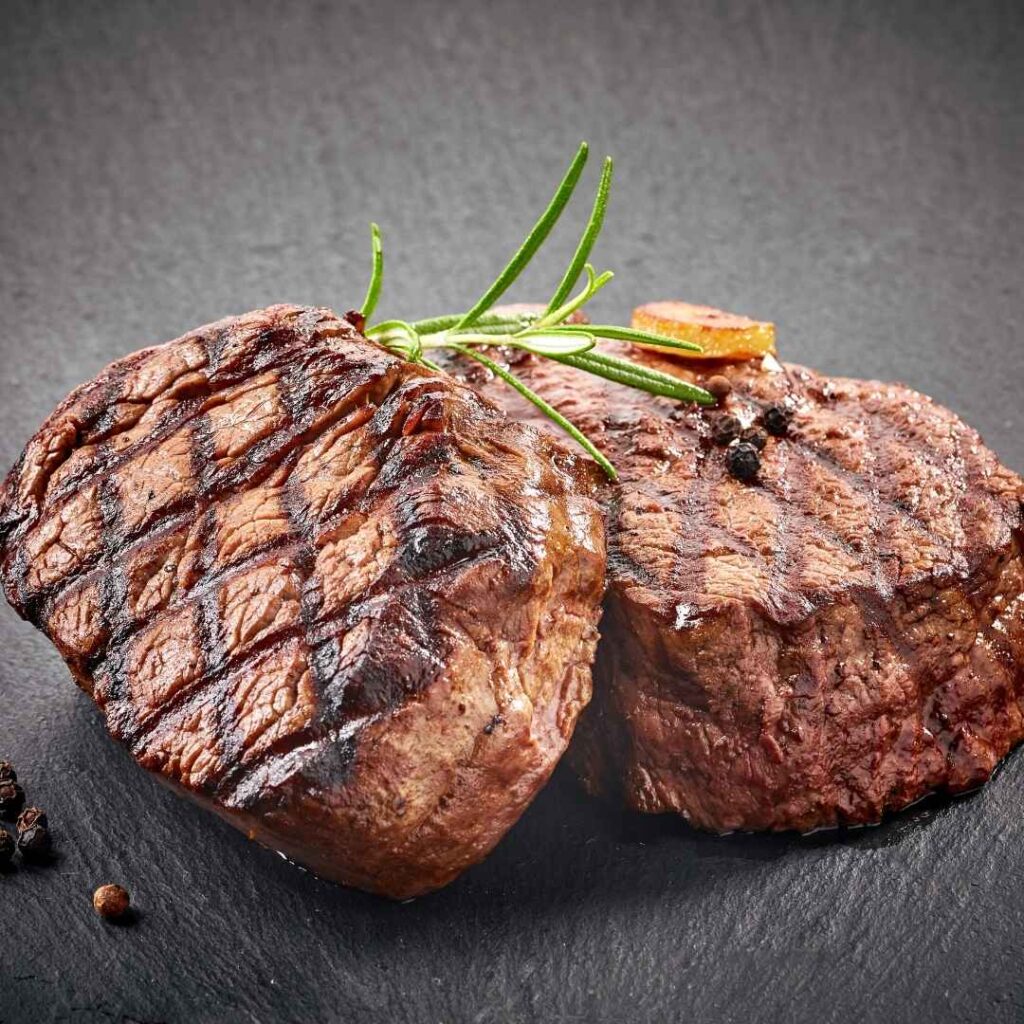
Tier 3: The Splurge & The Spectacle ($85 – $400+ per person)
This is the domain that solidifies New York’s global dining reputation. Here, New York is expensive to eat out is an unequivocal truth. You are investing in an event: precision, luxury, rarity, and theatrical culinary artistry.
- The Prix-Fixe and Tasting Menu Revolution: Fine dining has largely abandoned the à la carte model for multi-course journeys. Tasting menus at acclaimed restaurants begin around $135-$185 per person and frequently exceed $300. Critically, this price almost never includes beverages, tax, or tip. A wine pairing can add $100-$200 per person. The final bill for two can easily surpass $800.
- The Classic Steakhouse Institution: Places like Peter Luger, Keens, or Gallagher’s are experiences steeped in history and tradition. The cost for a shared dry-aged steak, creamed spinach, hash browns, and the iconic shrimp cocktail is significant, routinely hitting $120-$180 per person with a cocktail and wine.
- The Michelin-Starred Galaxy: New York’s constellation of Michelin stars is a major draw. Dining at these temples—like Le Bernardin, Per Se, or Chef’s Table at Brooklyn Fare—is a commitment of both planning (reservations are fiercely competitive) and finance. For the definitive guide to this elite tier, the official Michelin Guide NYC is the essential resource.
- The “It” Restaurant Premium: The newest hotspot, backed by a celebrity chef or viral buzz, often commands prices at the peak of this tier, leveraging scarcity and hype.
The Geographic Master Key: Mapping Value Across the Boroughs
New York’s dining costs are not a monolith; they are a detailed topographic map. Your location is the single greatest variable in answering “is New York expensive to eat out” for any given meal. Strategic geography is your most powerful tool.
Manhattan: The High-Stakes Core
The island is a patchwork of extreme micro-climates.
- The Tourist Battlefields (Times Square, Midtown near landmarks): Tread carefully. These zones are dominated by national chains and mediocre restaurants with high rents passed directly to captive customers. The golden rule: Walk 15 minutes. Escape to Hell’s Kitchen (9th Avenue) for better value, or down to Koreatown (32nd Street) for vibrant, affordable all-you-can-eat BBQ or late-night noodle soups.
- Chinatown & The Lower East Side: These historic, adjacent neighborhoods are sanctuaries of high-impact, low-cost dining. From dollar dumplings to legendary pastrami at Katz’s, they offer some of the highest culinary value per square foot on the planet.
- The Villages (East, West, Greenwich): A charming but pricey labyrinth. Among the boutique shops and tree-lined streets, you’ll find both historic, reasonable gems (like Joe’s Pizza on Carmine Street) and expensive, trendy spots. Research is non-negotiable here.
- Harlem: A destination for cultural and culinary history. The soul food institutions, from Sylvia’s to renowned gospel brunches, offer hearty, meaningful meals. The emerging West African restaurant scene along 116th Street also provides incredible flavor and value.
Brooklyn: The Continent of Contrast
Brooklyn functions as its own culinary nation, from hipster epicenters to time-capsule enclaves.
- Williamsburg & Greenpoint: The epicenter of artisanal Brooklyn. Here, you’ll find small-batch coffee, farm-to-table small plates, and natural wine bars. The experience is excellent, but prices firmly match Manhattan. It’s where you pay for “Brooklyn brand” cool.
- Sunset Park: Home to one of the largest Mexican communities in New York. The tacos, tortas, and tlacoyos from taquerias and food trucks along 5th Avenue are unparalleled in authenticity and price.
- Brighton Beach & Sheepshead Bay: “Little Odessa.” The vast Russian and Central Asian restaurants here serve extravagant spreads of zakuski (appetizers), smoked fish, grilled kebabs, and decadent desserts, often with live music, at surprisingly reasonable per-person costs when shared.
- Brooklyn Heights & DUMBO: Tourist-friendly with postcard views, leading to generally higher prices. Better value lies just inland in neighborhoods like Boerum Hill or Carroll Gardens.
Queens: The Atlas of World Flavors
For the culinarily curious, Queens is not an alternative; it is the main event. It robustly challenges the premise that New York is expensive to eat out.
- Flushing, Queens: A dynamic, massive Chinese metropolis. The food courts in the New World Mall or the Golden Mall are temples to regional Chinese cuisine. You can feast on hand-pulled noodles, Szechuan hot pot, or Jiangnan-style seafood for a fraction of Manhattan’s Chinatown prices.
- Jackson Heights & Elmhurst: A dizzying global buffet. One block offers sublime Tibetan momo dumplings, the next has fiery Thai, and another features arepas from Colombia and Venezuela. The 74th Street-Roosevelt Avenue subway station is a portal to a hundred culinary worlds.
- Astoria: Historically Greek, now a Mediterranean and Balkan mosaic. The value for massive, shareable mezze platters, grilled octopus, and slow-cooked meats is exceptional. The stretch of Ditmars Boulevard is a haven for food explorers.
The Bronx & Staten Island: The Culinary Frontiers
- The Bronx’s Arthur Avenue: The authentic, less-theatrical Little Italy. Family-run bakeries (like Addeo), old-world butchers, and classic red-sauce restaurants like Dominick’s offer warmth, quality, and a palpable sense of tradition at fair prices.
- Staten Island: While requiring a ferry ride, it holds unique communities like the Sri Lankan enclave in Tompkinsville, offering exceptional hoppers and curries, and traditional Italian restaurants in its northern reaches.
The Tactical Dining Playbook: Pro Strategies for Every Budget
Knowledge of prices and neighborhoods must be activated by strategy. Implement these tactics to take full control of your dining experience.
- Leverage the Lunch Advantage: This is the cardinal rule for fine dining access. Landmark restaurants like The Grill, Balthazar, or even some Michelin-starred spots offer transformative prix-fixe lunch menus that are 30-50% less than dinner. You experience the same chef, the same room, and the same service for a significantly lower investment.
- Harness Reservation & Review Technology: Use platforms intelligently. Resy and OpenTable are for bookings, but their “Notify” features are crucial for snagging last-minute cancellations at impossible-to-get spots. For discovery and trusted guidance, The Infatuation provides curated lists and relatable reviews that cut through hype.
- Master the Beverage Budget: Alcohol is the primary budget destroyer. A single craft cocktail now averages $18-$22. A bottle of wine often has a 300% markup. Consider limiting drinks to one special cocktail, exploring the non-alcoholic cocktail menu (a growing, sophisticated trend), or enjoying a BYOB meal at establishments that allow it (common in outer boroughs).
- Embrace the Shareable, Family-Style Ethos: New York menus are increasingly designed for sharing. Ordering several appetizers, small plates, or vegetable sides to share is often more enjoyable, allows for greater menu exploration, and can be more economical than individual entrées.
- Time Your Splurges: Happy Hour & Pre-Theater: Many upscale bars and restaurants offer exceptional happy hour deals on food (not just drinks)—think $1 oysters, discounted burgers, or half-price pizzas. Similarly, “pre-theater” prix-fixe menus (typically offered before 6:30 PM) are a shorter, more affordable version of a fine dining experience.
- Walk the Perimeter of Tourist Zones: As a rule, density of tourists correlates inversely with food value and quality. Use your map: if you’re near a major attraction, identify a well-reviewed restaurant in a residential neighborhood just a 10-15 minute walk away.
- Understand the Final Bill Calculus: Never budget by menu price alone. The immutable formula is: Menu Price + 8.875% NYC Sales Tax + 20% Customary Tip. Additionally, be aware of potential automatic service charges or “Health & Wellness” fees (typically 3-5%), which are increasingly common. These are not gratuity; always check your bill’s fine print.
The Final Analysis: Reframing the New York Dining Question
So, to return to our foundational query: is New York expensive to eat out?
The objective, macroeconomic answer is yes. It is one of the most expensive cities in the world for restaurant dining. The forces of real estate, labor, and demand create a high floor.
However, the practical, experiential answer for a savvy traveler is it is entirely up to you. New York City’s unparalleled genius lies in its simultaneous support of multiple, parallel culinary universes. It is a city where a $1.50 slice of pizza from a decades-old institution can be discussed with the same reverence as a $350 tasting menu from a culinary visionary. It is a city where a 30-minute subway ride can transport you from a $20 salad in Manhattan to a $10 feast of flavors from another continent in Queens.
Therefore, the most empowering way to approach New York expensive to eat out is not as a statement of fact, but as a call to strategy. Your culinary journey should be a intentional mix: fuel your days with affordable, delicious discoveries from carts, markets, and ethnic enclaves. Reserve your mid-range budget for a memorable dinner at a lively neighborhood bistro that captures the local vibe. Then, make a single, breathtaking splurge—a long-planned lunch at a legendary spot or a dinner at that one restaurant you’ve dreamed of—where the cost is framed as an investment in a lifelong memory.
Come to New York with curiosity, a good map, and this guide in your pocket. Let the city’s infinite edible narratives unfold before you. The cost is a variable you can master. The reward—the taste of the world in one relentless, glorious city—is, for the prepared traveler, worth every penny, from the single dollar to the hundred. The true answer lies not in your wallet, but on your plate.