
Is Times Square a good place to stay?
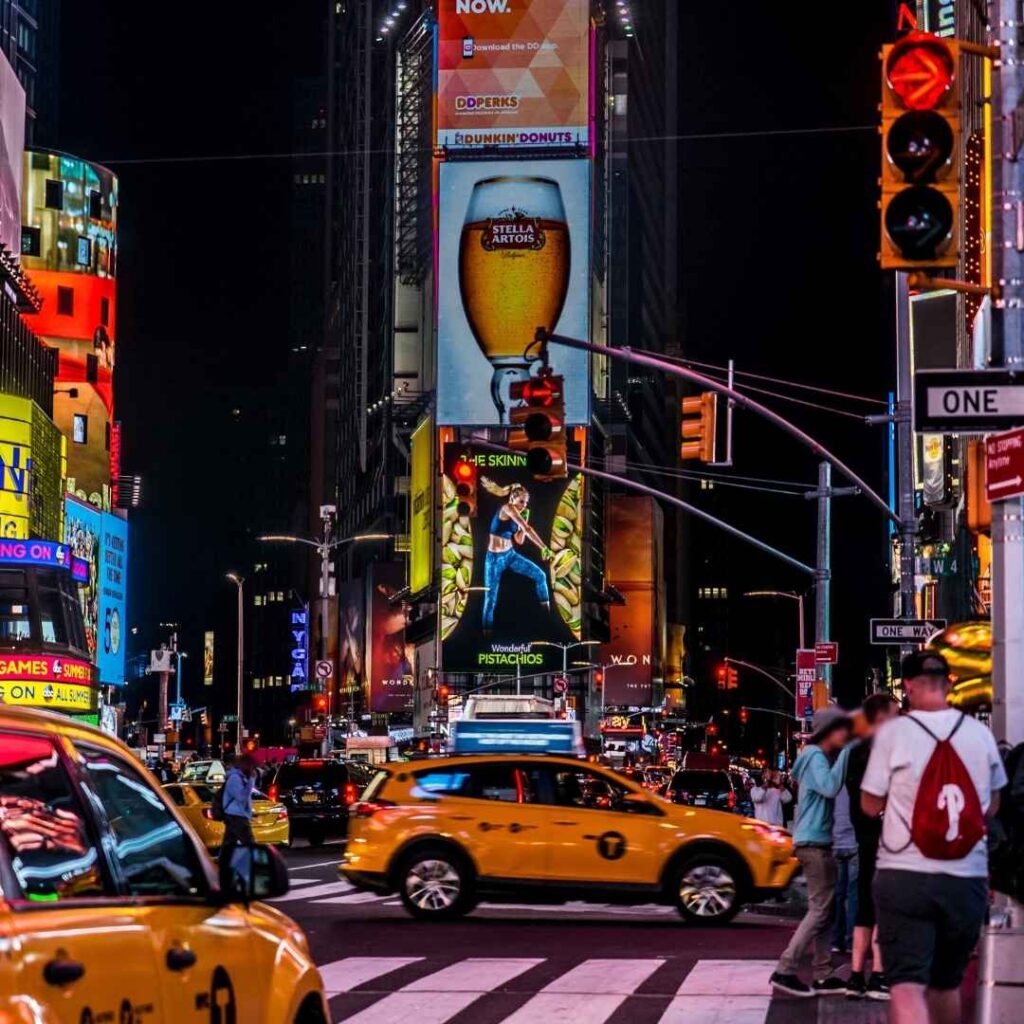
Is Times Square a good place to stay? This simple question is perhaps the most debated topic in New York City travel planning. The iconic imagery—towering digital billboards, Broadway marquees, and swirling crowds—creates a powerful magnetism. For many first-time visitors, staying in the heart of this energy is the dream. But experienced travelers often offer stark warnings about noise, crowds, and value. This comprehensive guide moves beyond the hype and the horror stories to provide a nuanced, 2,500-word analysis. We will dissect every aspect of this decision to help you answer the critical question: Is Times Square a good place to stay for yourspecific travel style, budget, and itinerary?
The query “Is Times Square a good place to stay?” is not about finding an objectively right or wrong answer. It’s about alignment. Your choice of accommodation sets the tone for your entire trip. It determines your daily commute, your dining options, your ability to relax, and your exposure to either tourist-centric spectacle or authentic neighborhood charm. By exploring the stark realities of convenience versus chaos, cost versus value, and location versus atmosphere, this guide will empower you to make a fully informed choice. We will provide detailed neighborhood comparisons, strategic advice for maximizing a Times Square stay if you choose it, and clear traveler profiles to guide your decision.
Understanding the Times Square Phenomenon
Before we can answer “Is Times Square a good place to stay?”, we must understand what Times Square actually is. It is not a traditional neighborhood with residents, schools, and quiet cafes. It is a commercial and entertainment district—a designed experience for high-volume tourism and transit. Spanning from roughly 42nd to 47th Streets between Broadway and Seventh Avenue, it functions as a kinetic, 24-hour urban stage.
Its history is key to its present identity. Once called Longacre Square, it was renamed in 1904 when The New York Times moved its headquarters there. The New Year’s Eve ball drop tradition began in 1907, cementing its global symbolic status. Today, it is less a place to live and more a place to pass through, shop, be entertained, and marvel. Its entire infrastructure—from the sprawling subway station to the flagship retail stores and chain restaurants—is engineered to serve millions of annual visitors efficiently. This fundamental nature is the first clue in solving the puzzle of “Is Times Square a good place to stay?” You are choosing to stay in a major transit hub and tourist attraction, not a cozy residential enclave.
The Compelling Case FOR Times Square: When Convenience Reigns Supreme
For a specific type of traveler, the benefits are substantial enough to warrant a “yes” to “Is Times Square a good place to stay?” Let’s examine these advantages honestly.
Unrivaled Broadway Theater Access: This is the most powerful argument. If your trip is fundamentally a theater pilgrimage, staying within a 5-minute walk of most Broadway houses is a transformative convenience. You can see a matinee, return to your hotel to rest and change, and stroll to an evening show without navigating transit. Post-show, you can avoid the packed subway scramble and be in your room in moments. For a theater-focused itinerary, this logistical ease significantly enhances the experience.
A Transportation Epicenter: The Times Square-42nd Street subway station is a labyrinthine superhub serving 11 train lines (1, 2, 3, 7, N, Q, R, W, A, C, E, and S). From this single point, you can get a direct train to almost every major attraction: the 1 train to the Financial District, the N/Q/R to SoHo or Central Park, the 7 to Queens, or the A/C to Brooklyn. For tourists, this connectivity minimizes transfer confusion and is a major stress-reducer. The question “Is Times Square a good place to stay?” often hinges on this transit advantage.
The “Iconic Immersion” Factor: For a first-time visitor on a short trip, there is a genuine thrill to being immersed in the iconic neon glow. Waking up and stepping directly into the postcard can make a 48-hour visit feel intensely memorable. The constant energy, while exhausting for some, is electrifying for others. This is a unique selling point that can’t be replicated in quieter areas.
Tourist-Centric Infrastructure and Late Hours: The ecosystem is built for visitor comfort. Pharmacies like CVS and Duane Reade are open 24 hours. Souvenir shops, chain eateries, and major retail flagships have extended hours. This provides a safety net of familiarity and accessibility when you need a bottle of water at midnight or forgot to buy a phone charger.
Centralized Launch Pad: While not geographically central, Times Square is a strategic midpoint in Midtown. It’s a reasonable walk to Rockefeller Center, Radio City Music Hall, the Museum of Modern Art, and the theater district. For a whirlwind tour of Midtown’s biggest sights, the location is undeniably efficient.
The Significant Case AGAINST Times Square: The Price of the Spotlight
The drawbacks are not minor inconveniences; they are fundamental characteristics that lead many to conclude that Times Square is not a good place to stay. A clear-eyed assessment is vital.
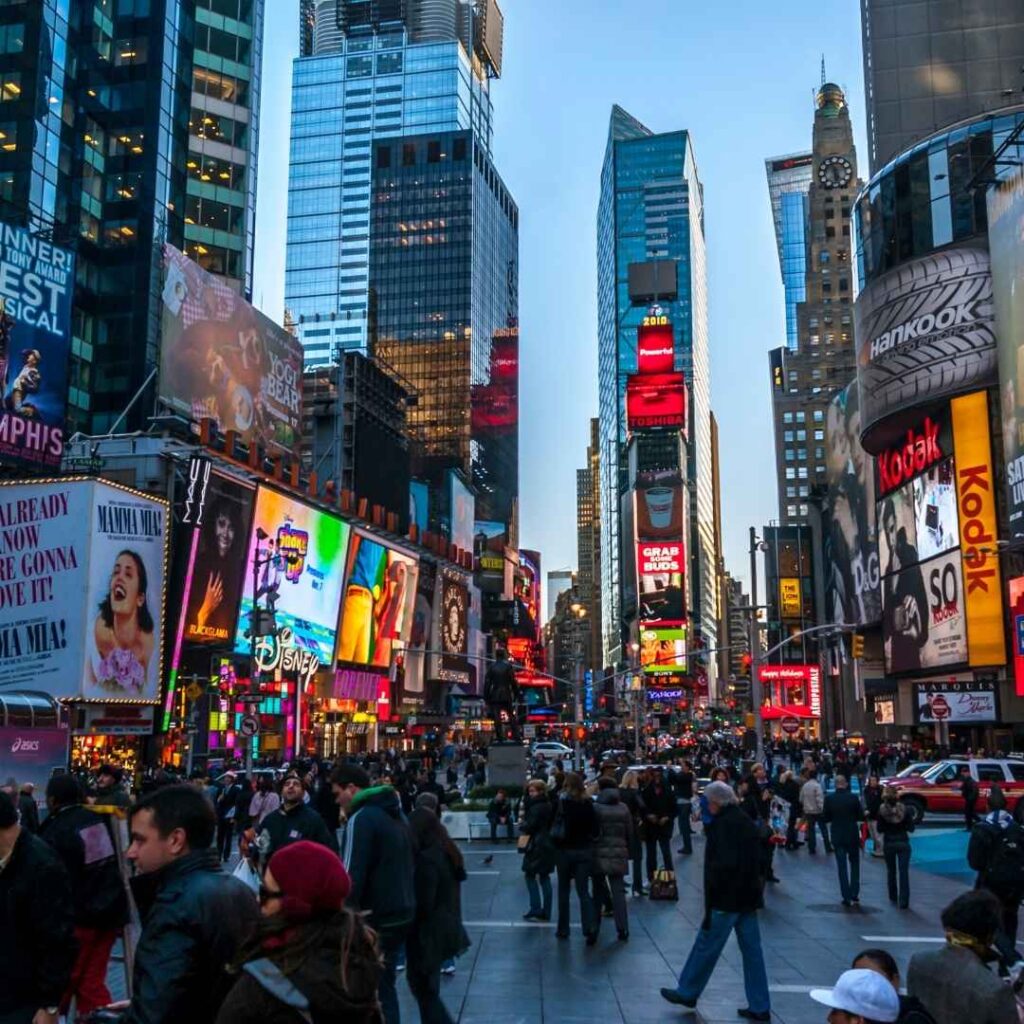
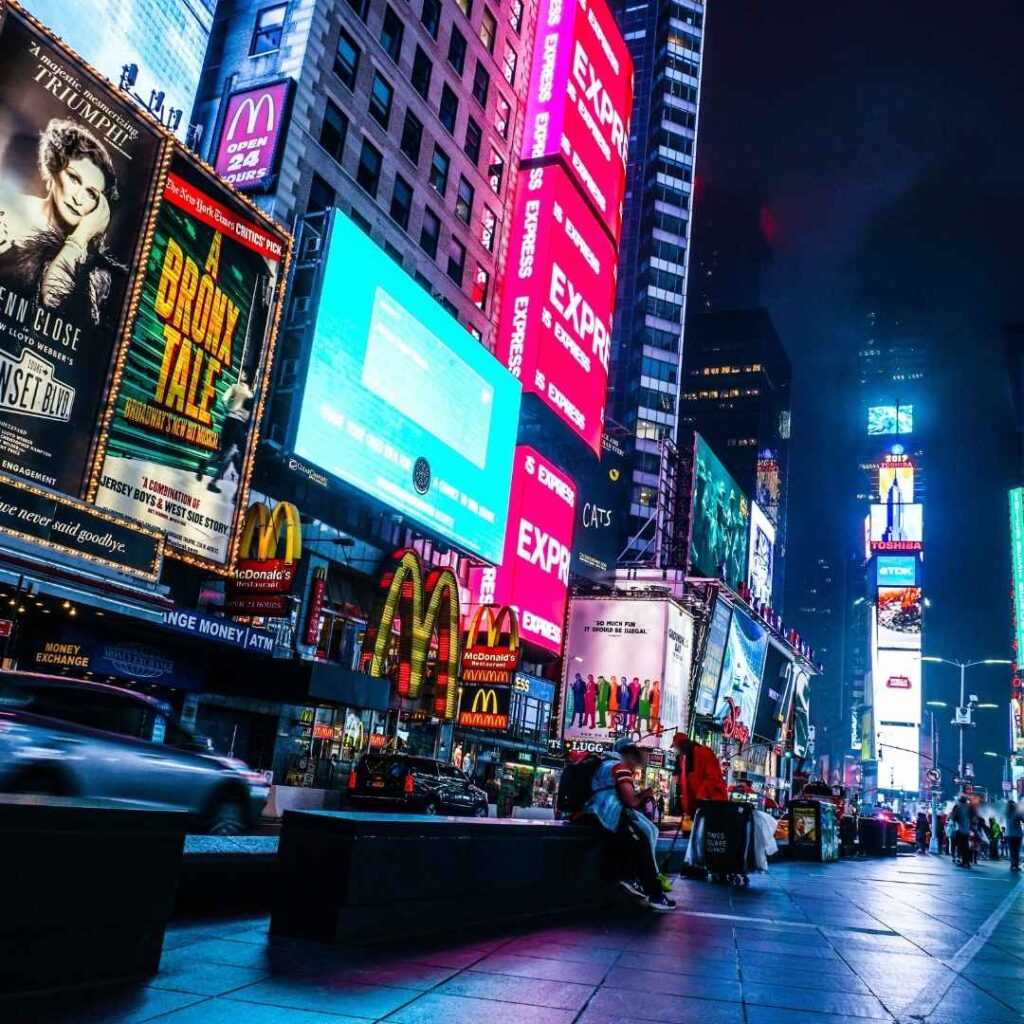
Relentless Sensory Overload: The crowds, noise, and light are perpetual. Times Square is busy at 3 PM and 3 AM. The din of traffic, blaring music from stores, and chatter of thousands creates a constant auditory barrage. The light pollution from massive LED screens means true darkness never arrives. This environment is stimulating for an hour but can be profoundly draining over days, turning your hotel room into a retreat from bombardment rather than a peaceful sanctuary.
The Premium Price for Compromised Value: You pay a significant “location tax.” Hotel rooms are often smaller and more expensive per square foot than comparable hotels in adjacent neighborhoods. More critically, the immediate dining landscape is a culinary desert dominated by overpriced chains, mediocre theme restaurants, and tourist traps with high prices and low-quality food. This directly impacts your daily budget and enjoyment, forcing you to ask: “Is Times Square a good place to stay if I have to commute for a decent meal?”
A Complete Lack of Authentic Local Character: Times Square is a commercial bubble, largely devoid of the authentic texture that defines New York’s neighborhoods. You will not stumble upon a beloved neighborhood bakery, a quiet leafy square, or a family-owned Italian restaurant that’s been there for decades. The experience is generic and transactional, designed for the temporary visitor. For travelers seeking a genuine sense of place, this is a major deficit.
Pedestrian Gridlock and Frustration: Simple mobility becomes a chore. Walking from your hotel to a subway entrance or a cross street involves navigating slow-moving tourist throngs, sidestepping costumed characters (Elmos, superheroes) seeking photo tips, and avoiding promotional teams. A five-block walk can take 20 minutes during peak times, adding unseen time and stress to your daily plans.
Safety and Comfort Considerations: While the area is heavily policed and has low violent crime rates, the intense crowds can attract pickpockets and create an environment where petty theft can occur. The sheer mass of humanity can also feel overwhelming, especially for families with young children, elderly travelers, or those with anxiety in crowded spaces.
The Neighborhood Showdown: How Does Times Square Compare?
To truly answer “Is Times Square a good place to stay?”, we must see how it stacks up against other popular tourist bases. Each offers a distinct trade-off between convenience and character.
Midtown West / Hell’s Kitchen: The Strategic Masterstroke
Located from 8th Avenue to the Hudson River in the 40s and 50s, this is the most frequently recommended alternative.
- Pros: Retains walkable access to Broadway (10-15 mins) and Times Square transit while offering immediate escape. Hell’s Kitchen, centered on 9th Avenue, is a world-class dining destination with incredible variety. Hotels often provide better value and slightly more space. The vibe is more mixed-use—theatergoers, locals, and workers—creating a more authentic urban feel.
- Cons: Still a busy part of Midtown, just not the busiest. Lacks the iconic “wow” at your doorstep.
- Best For: Almost any traveler who wants Broadway proximity without the overwhelming downsides. It’s the top answer for those questioning “Is Times Square a good place to stay?”but who still want central location.
- Resource: Use Booking.com to filter for Hell’s Kitchen hotels and compare prices directly with Times Square properties.
Lower Manhattan / Financial District: The Historical & Serene Base
Staying near Wall Street and the World Trade Center offers a contrasting NYC experience.
- Pros: Immersive access to the 9/11 Memorial, Statue of Liberty ferries, and Brooklyn Bridge. The area is strikingly quiet, safe, and clean on nights and weekends. Hotels are often in modern towers with stunning water views. Easy access to the free Staten Island Ferry for iconic skyline photos.
- Cons: Can feel like a “ghost town” after 7 PM. A 20-25 minute subway ride to Broadway and Midtown attractions.
- Best For: History enthusiasts, travelers who prioritize evening tranquility, and those focusing on downtown landmarks.
Brooklyn (DUMBO/Williamsburg): The Hip & Scenic Escape
Crossing the East River provides a completely different cultural perspective.
- Pros: Legendary, unobstructed views of the Manhattan skyline from Brooklyn Bridge Park. Neighborhoods like Williamsburg are hubs for innovative dining, indie shopping, and nightlife. You experience a more local, creative, and residential vibe. The NYC Ferry offers a scenic commute.
- Cons: Requires a daily 20-30 minute commute to Midtown. Hotel options, while growing, can be more boutique and book up fast.
- Best For: Younger travelers, foodies, photographers, couples, and repeat visitors seeking an alternative NYC energy.
Upper West Side & Upper East Side: The Classic New York Feel
Flanking Central Park, these neighborhoods offer a taste of NYC residential life.
- Pros: Quiet, tree-lined streets with a strong community feel. Immediate access to Central Park, the American Museum of Natural History (UWS), and the Met Museum (UES). Fantastic local cafes, bakeries, and family-friendly restaurants.
- Cons: A longer subway ride to downtown attractions and nightlife. Can feel removed from the energy of central Manhattan.
- Best For: Families, museum lovers, park enthusiasts, and travelers seeking a calmer, more relaxed pace.

Strategic Decision Framework: Who Should and Shouldn’t Stay in Times Square
Based on our deep dive, we can create specific traveler profiles. This is the heart of answering “Is Times Square a good place to stay?” for you.
Times Square MAY BE a Good Choice If You Are:
- A First-Time Visitor on a Very Short Trip (2-3 nights): The convenience and iconic experience can outweigh the downsides when time is your scarcest resource.
- A Die-Hard Theater Fan with Multiple Show Tickets: The walkability to theaters is a tangible luxury that enhances a show-centric trip.
- A Traveler Who Prioritizes Ease and Familiarity Above All Else: If navigating less-central neighborhoods creates anxiety, the well-marked, perpetually busy environment can feel safer and simpler.
- Someone with Mobility Issues (with careful hotel selection): The extreme concentration of attractions, theaters, and subway elevator access in one flat area can significantly reduce strenuous travel.
Times Square is Likely NOT a Good Choice If You Are:
- A Return Visitor Seeking Deeper NYC Immersion: You’ve seen the lights; now you want the city’s authentic neighborhoods, like the West Village or Brooklyn.
- A Food-Focused Traveler or “Foodie”: The immediate dining scene is notoriously poor. Your culinary experience will require daily travel.
- A Light Sleeper or Someone Who Craves Quiet: The noise and light pollution are pervasive and inescapable, challenging even good hotel windows.
- On a Tight Budget: Your money will go significantly further on both accommodation and food in almost any other area.
- Staying for a Week or Longer: The sensory overload and lack of neighborhood charm will likely become grating and exhausting over an extended period.
The Maximization Playbook: How to Stay in Times Square Wisely (If You Choose To)
If, after this analysis, you decide that Times Square is a good place to stay for your specific trip, these strategies are non-negotiable for protecting your budget, sanity, and enjoyment.
1. Execute Meticulous Hotel Selection.
- Demand a High Floor: A room on the 25th floor is a different world than the 5th floor. The reduction in noise is dramatic.
- Request a Courtyard or Side-Street View: A room facing away from Broadway and 7th Avenue is essential for manageable light and noise levels. Call the hotel after booking to make this request.
- Scour Reviews for Noise Comments: On platforms like Tripadvisor, filter reviews to read comments specifically about noise and room location. This is more valuable than the overall star rating.
- Consider “Bordering” Hotels: Properties on 8th Avenue or side streets (e.g., 44th between 8th and 9th) offer better value and slightly more peace while being a 2-minute walk from the core chaos.
2. Adopt the “15-Minute Walk” Rule for All Dining.
This is the single most important tip. Commit to walking at least 10-15 minutes from your hotel for every meal.
- Walk West to Hell’s Kitchen (9th & 10th Avenues): This is your culinary lifeline. You’ll find incredible ramen at Totto Ramen, legendary burgers at Burger Joint, and a staggering array of international cuisines.
- Walk East to Koreatown (32nd Street between 5th & Broadway): A dense, authentic enclave packed with fantastic Korean BBQ, noodle soups, and late-night spots.
- Utilize Trusted Food Resources: Consult The Infatuation for curated guides like “Best Restaurants in Hell’s Kitchen” to make informed choices beyond tourist traps.
3. Leverage Transit Intelligently.
- For downtown trips, consider walking to the 50th Street (C/E) or 42nd Street-Bryant Park (B/D/F/M) subway stations. They are often less congested than the main Times Square hub.
- For crosstown travel, the M42 and M50 bus lines are efficient and let you see the city instead of battling sidewalk crowds.
4. Experience Times Square Strategically.
- Visit the square once, deliberately, to absorb the spectacle—preferably at night. Then, use your hotel as a base for exploring the rest of New York City.
- Never eat in the square itself. Treat it as a visual and cultural attraction, not a dining destination.
Conclusion: Arriving at Your Personal Verdict
So, after this exhaustive exploration, we return to the core question: Is Times Square a good place to stay?
The evidence presents a clear, bifurcated verdict. For the first-time, short-term, theater-centric visitor who understands the trade-offs and is disciplined about walking for meals and seeking quiet within their hotel, it can be a logistically superior and thrilling choice. The convenience is tangible, and the iconic experience has real value for a brief, focused trip.
Conversely, for the food-focused traveler, the return visitor, the budget-conscious family, the light sleeper, or anyone seeking relaxation, local flavor, or authentic neighborhood atmosphere, the answer is almost certainly that Times Square is not a good place to stay. In these cases, neighborhoods like Hell’s Kitchen, the West Village, or Brooklyn will deliver a more enjoyable, richer, and often more cost-effective New York experience.
Ultimately, your accommodation is merely your launch pad. The profound beauty of New York City lies in its countless neighborhoods—the historic streets of Greenwich Village, the artistic energy of Chelsea, the panoramic views from Roosevelt Island, and the diverse food scenes of Queens. Whether you ultimately decide Times Square is a good place to stay or choose a different base, commit to exploring deeply. The true magic of the city is not confined to its most famous crossroads; it radiates from every block, waiting to be discovered by curious travelers willing to look beyond the dazzling lights.